Using Sustainable Design as a Tool
To Tend To My Garden of Work
Hi there!
My name is Blossom Roberge, and welcome to my Garden of Work! As as an artist and designer, I like to refer to portfolio as a “Garden of Work.”
Since working closely with a landscape designer, I have seen countless similarities of how an artistic eye can have the same methodology as a gardener. Producing and cultivating a diverse body of flora takes lots of design intent, and I see a myriad of correlations between the art of making and designing professional spaces, with tending a single garden bed. Whether you’re looking after plants, growing produce, revitalizing the soil, or giving insects and pollinators a home and purpose, I believe, this notion is akin to designing for the betterment of society.
What is a “Garden of Work?”
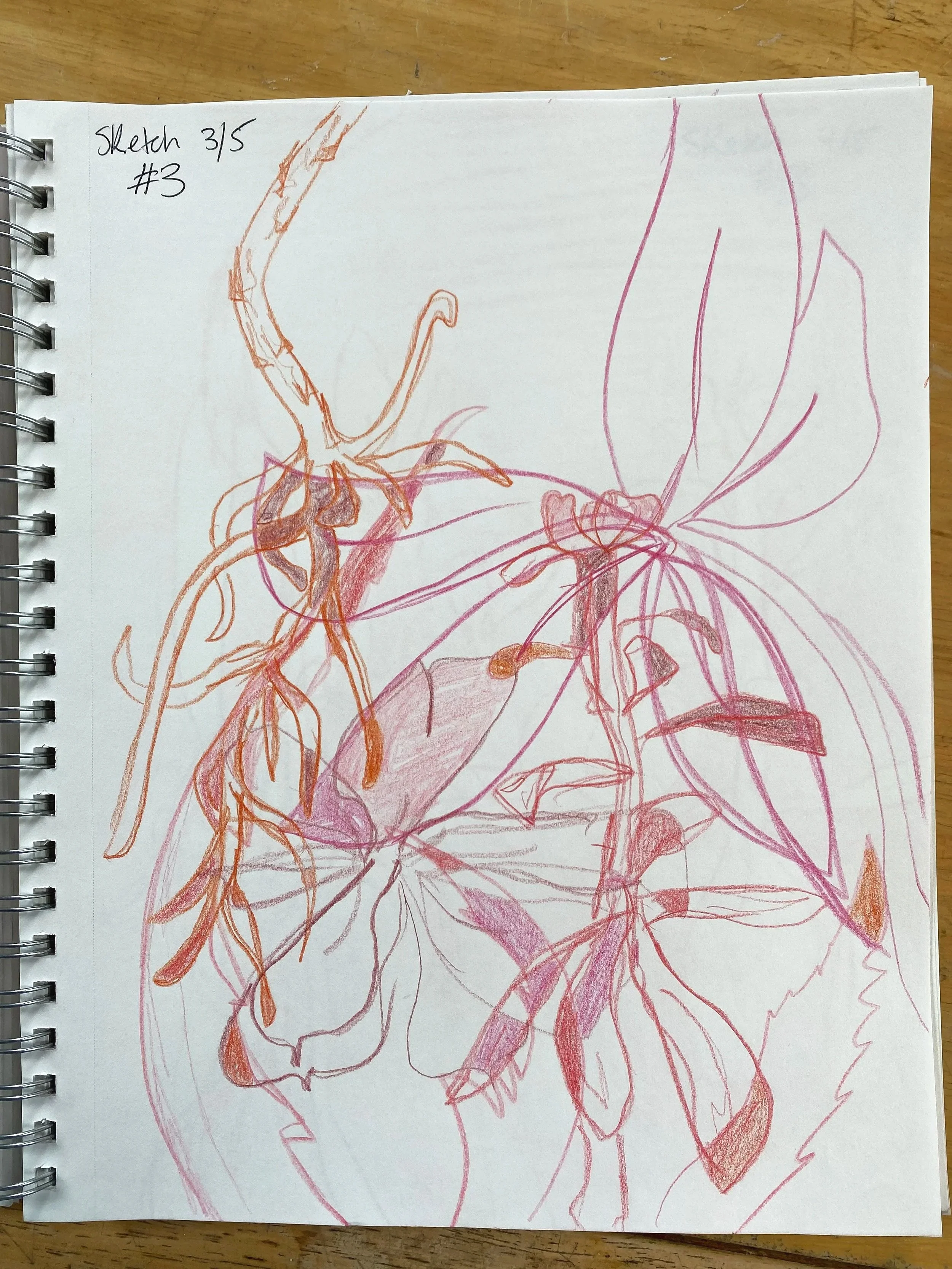
Born and raised just outside of Cape Cod, Massachusetts, I had grown up in an exceptionally artistic household. My passion and visions to be an artist and creator became tangible once I had attended the Waldorf School of Cape Cod. Working with my hands including painting, drawing and sewing, and woodworking had never felt like too big of a task that needing accomplishing.
Between High School and College, I spent a bit of time abroad. Traveling all through Spain, I explored cities and familiarized myself with how their culture used architectural design as a strong form of artistic expression. In addition, I took this opportunity to further my knowledge and understanding of their native language. Once, I returned back home, I picked my drawing implements right back up, and applied myself to art institutions to pursue Architectural Design.
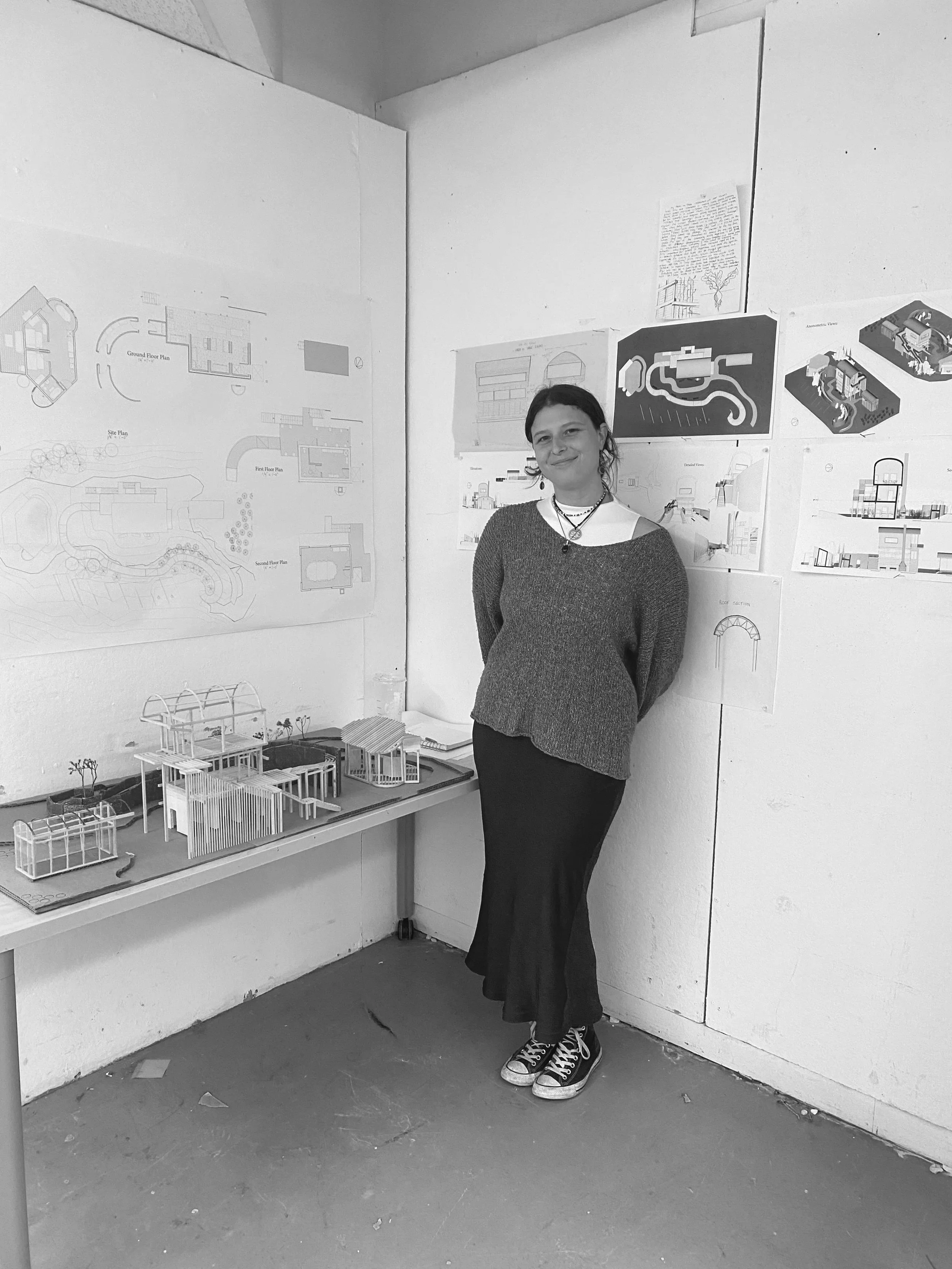
In May of 2024 I received my bachelor’s degree in Fine Art in Architectural Design, with a minor in Sustainability accredited from the Massachusetts College of Art and Design.
Senior Year Thesis:
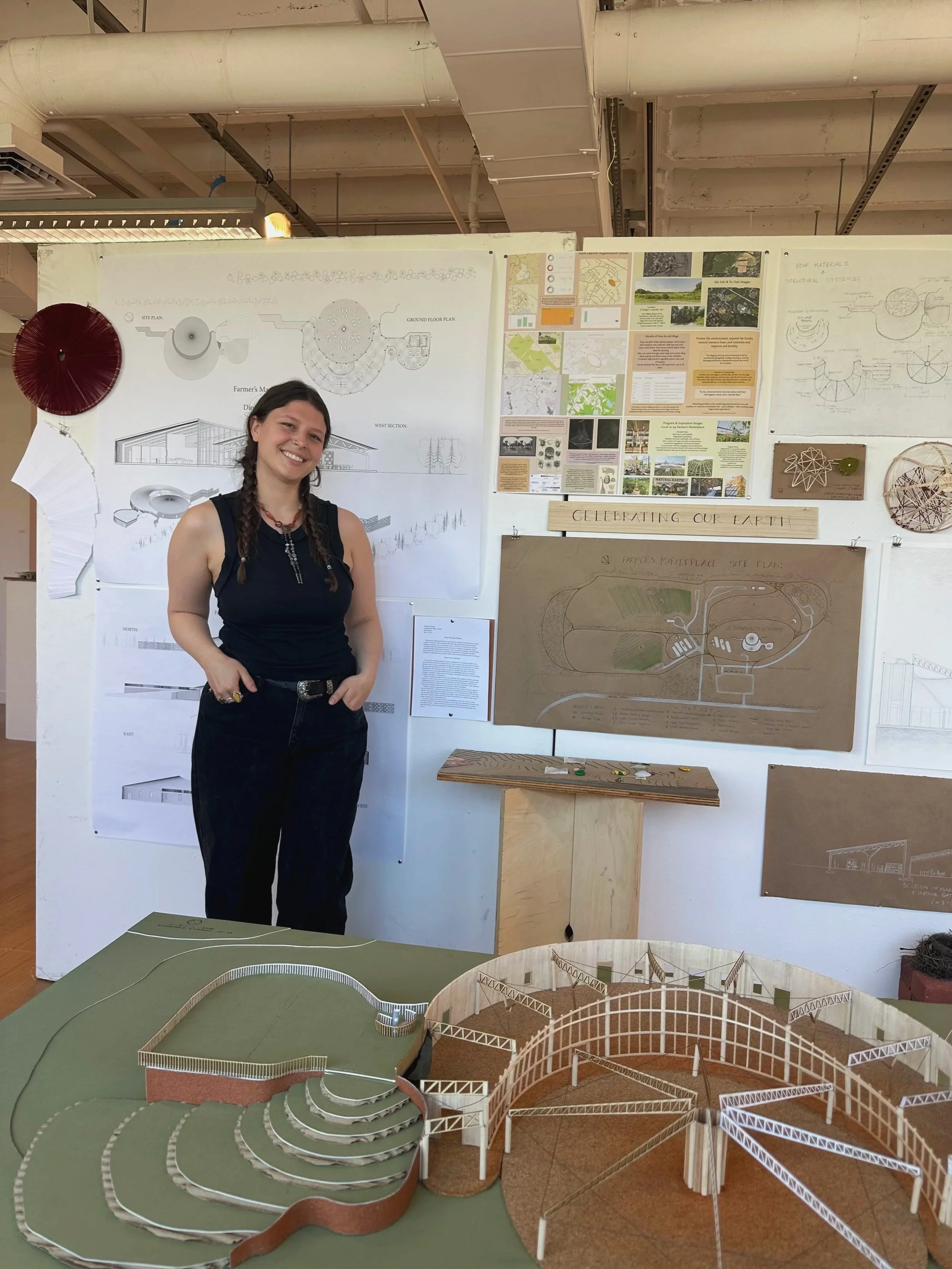
Co-op Farmer’s Marketplace
It was during my senior thesis that my curiosity and passion for the outdoors was sparked. My objective for the project was to design a sustainable community-led marketplace. I had progressively realized the obscurity of focusing solely on the physical structures and their systems, as it meant not give consideration to the landscape or surrounding environment. I began a deep dive into educating myself about biophilia, and soil profiles for both the structural build and regenerative farming. Eventually, most of my inspiration for the structural designs were coming from the wilderness, and the natural systems that surround us everyday.
By broadening my scope, I sought for answers in one space, to support the questions I had in other areas. In my eyes, this was what a sustainable and green design should entail; giving energy and intention to both in indoor and outdoor spaces. I strongly believe that conjoining the two worlds of indoor and outdoor design can make any space more prosperous and harmonious- championing the notion and importance of creating ambient and green dwelling spaces.
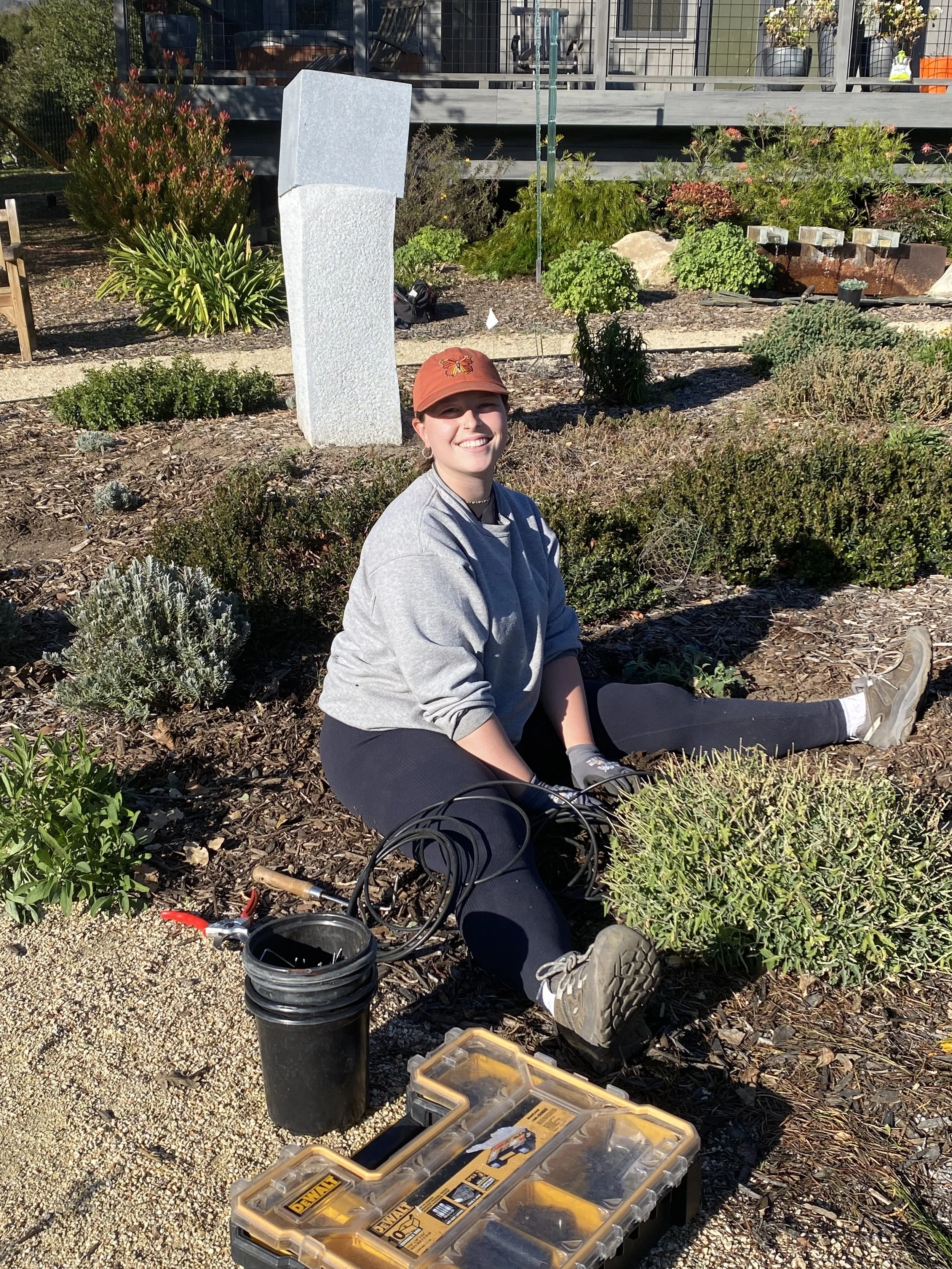
I believe I have a distinctive approach to design in the architectural realm as my studies took place at an art institution. Here, creativity and expression led our projects to places that allowed our imagination to come to fruition.
In addition, I have considerable experience working along side a landscape designer and contractor, where I picked up many new skills, like learning about outdoor-design-techniques, working with the terrain, and problem solving a whole new set of obstacles. The steady balance between innovative and practical design choices, intertwined with sustainable and green design methods, are puzzles that I thoroughly enjoy piecing together.
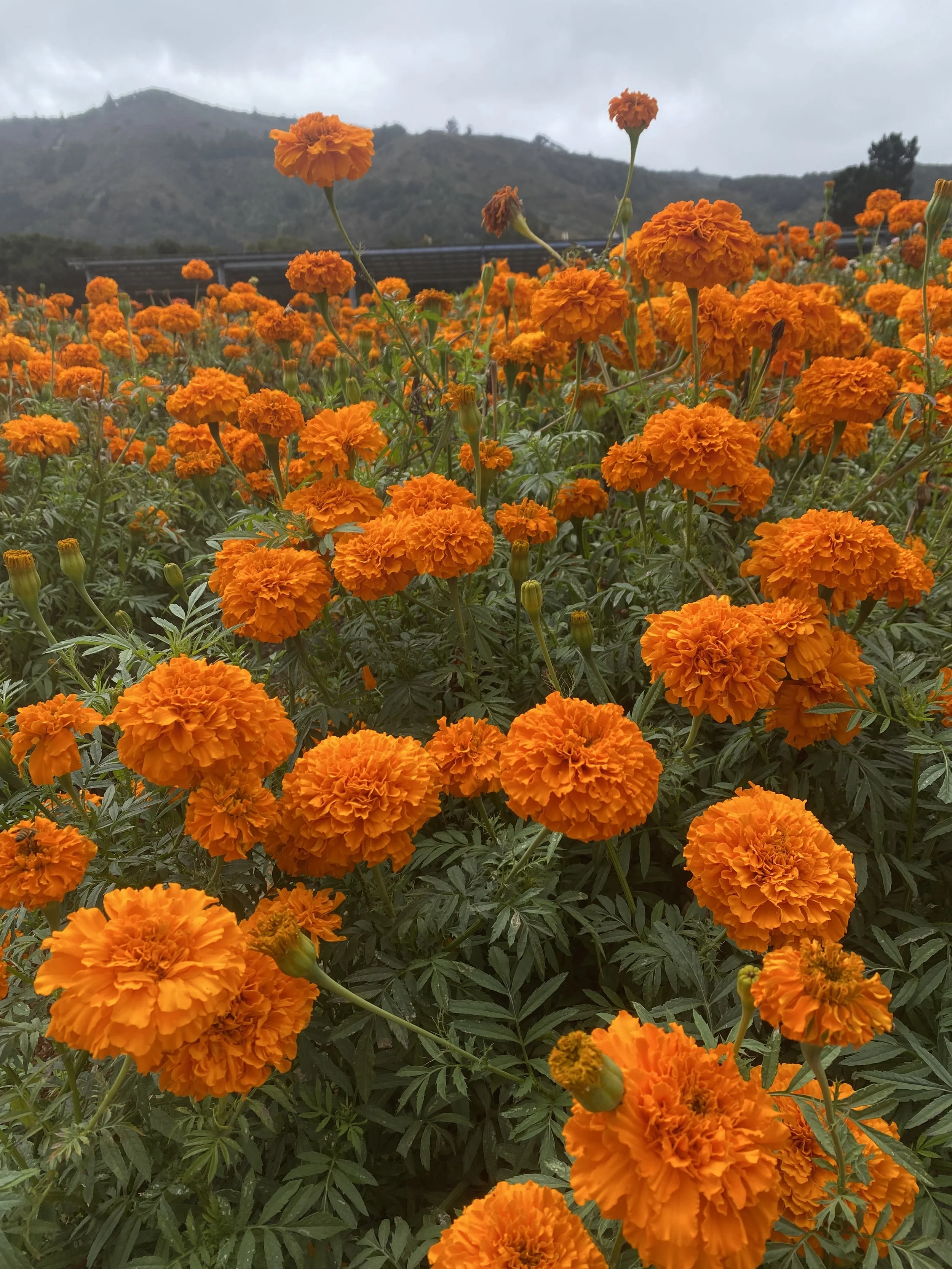
Turning to Nature for Answers
Where I get my design inspiration:
The Spider’s Web
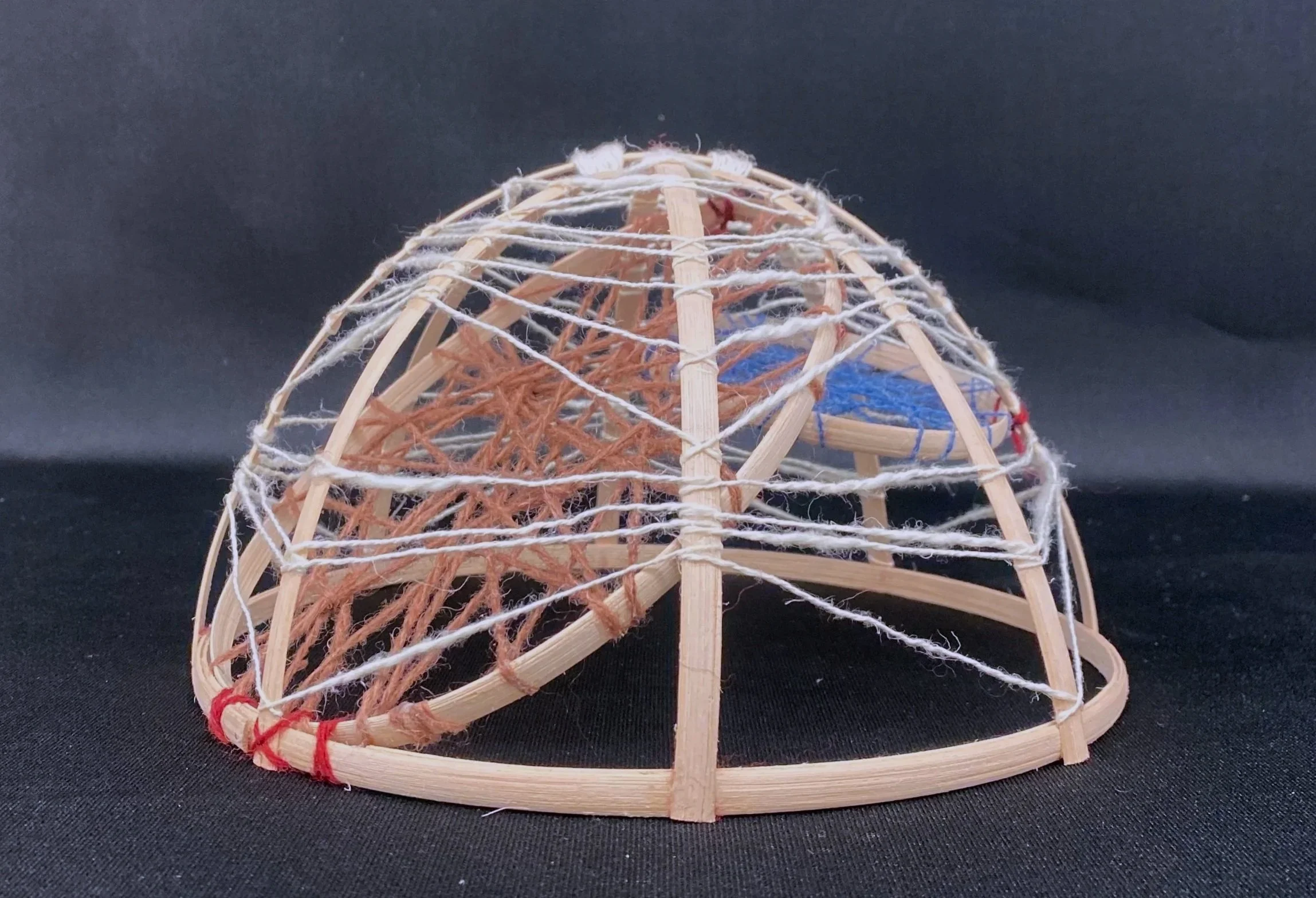
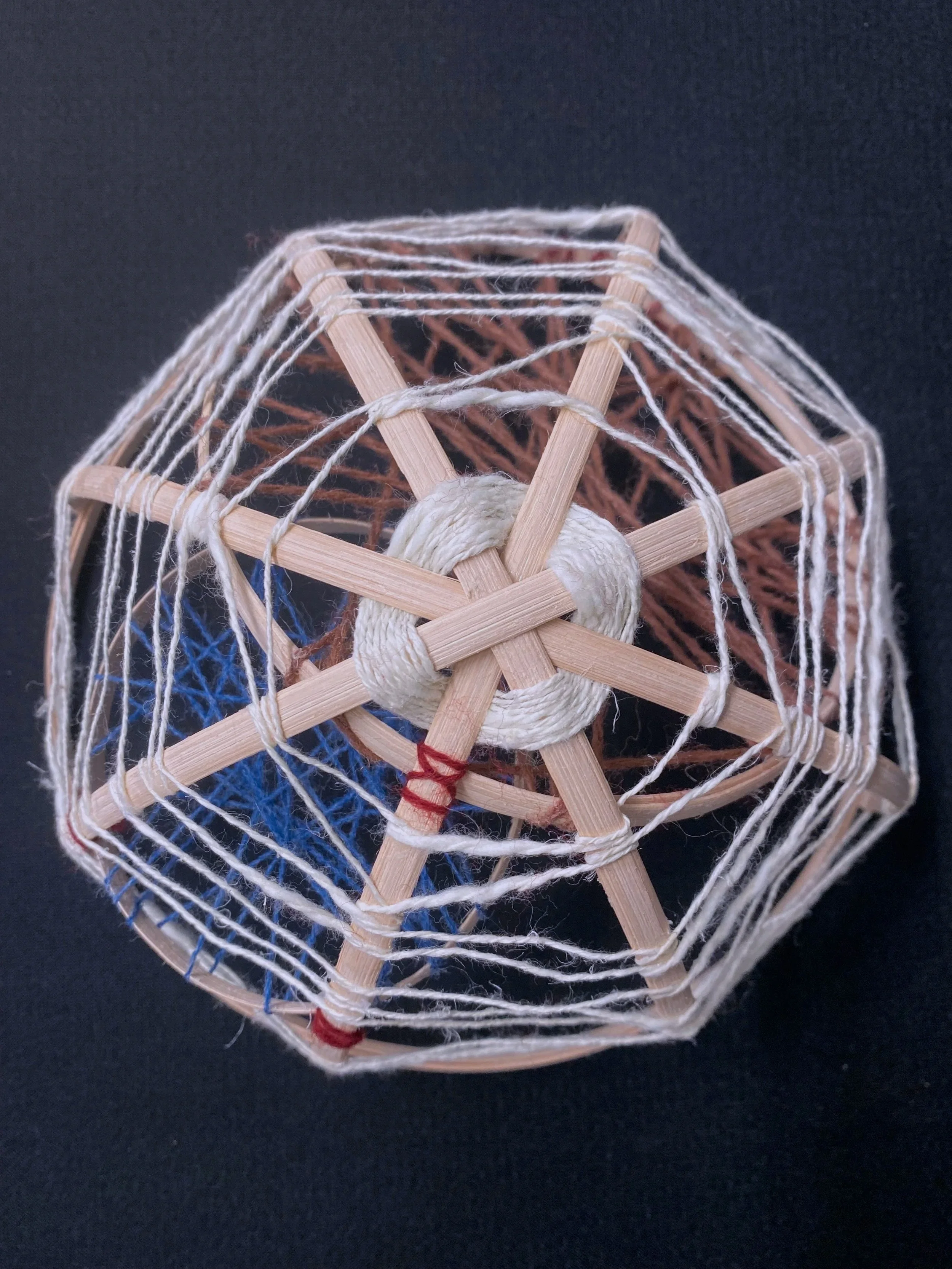
The Spider’s Web inspires me to design with careful intention in mind. High quality making of any sort comes from a slower pace of movement and making connections- like overlapping the thread of the web. I find this craft from the spider to be an incredibly thought provoking design technique that requires discipline, planning, and adaptability.
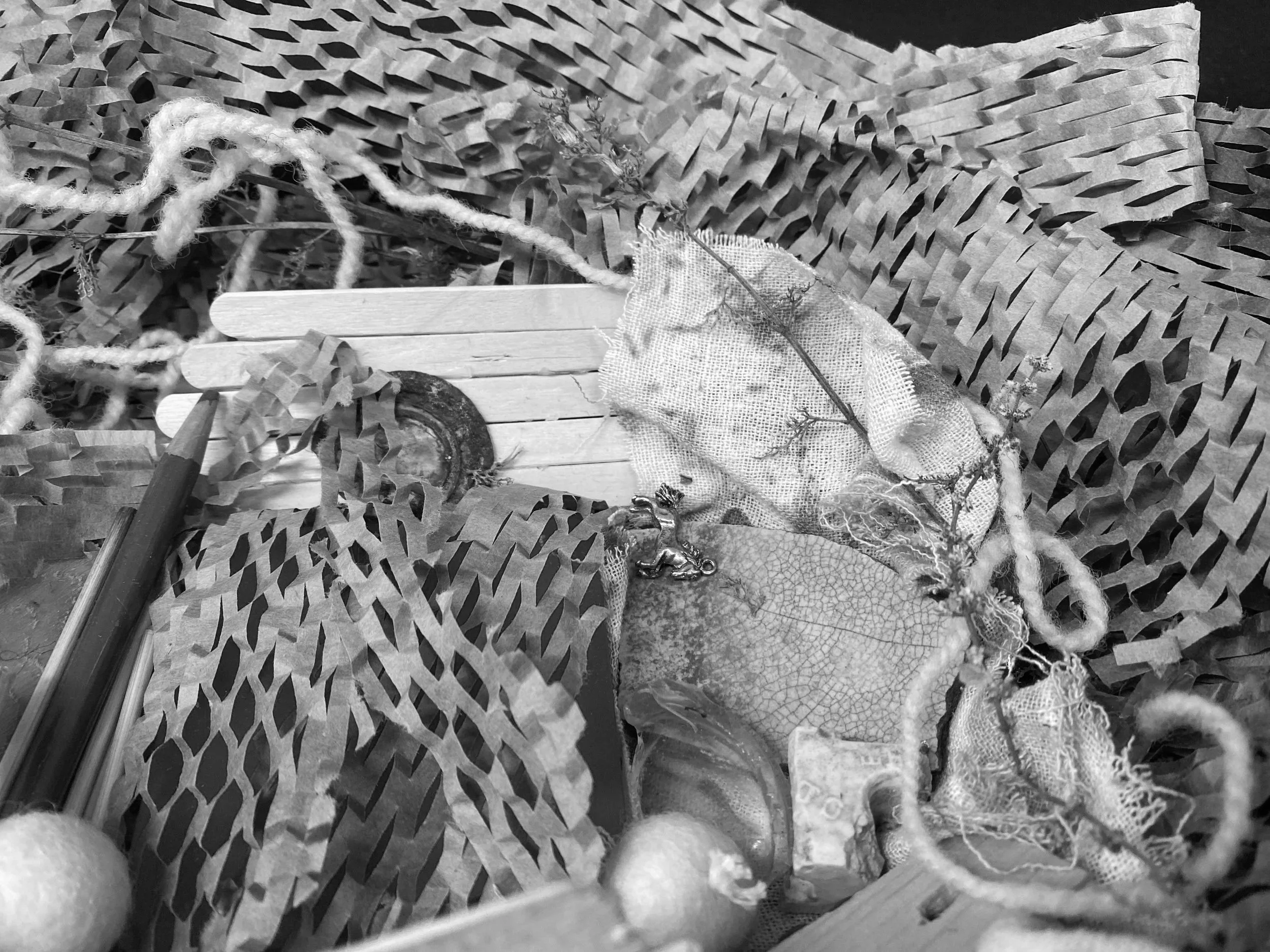
The Bird’s Nest
The Bird’s Nest inspires me to build and design with local resources. Reducing expenses where possible on like- new materials, reusing hardscaped and plant materials, recycling what is not longer needed in the design, and restoring the space as a whole to revive biodiversity and our connection with the outdoors.
Birds are adaptive beings that build their homes by selecting a wide variety of materials that intertwine with one another to create a stable and sustainable dwelling.